
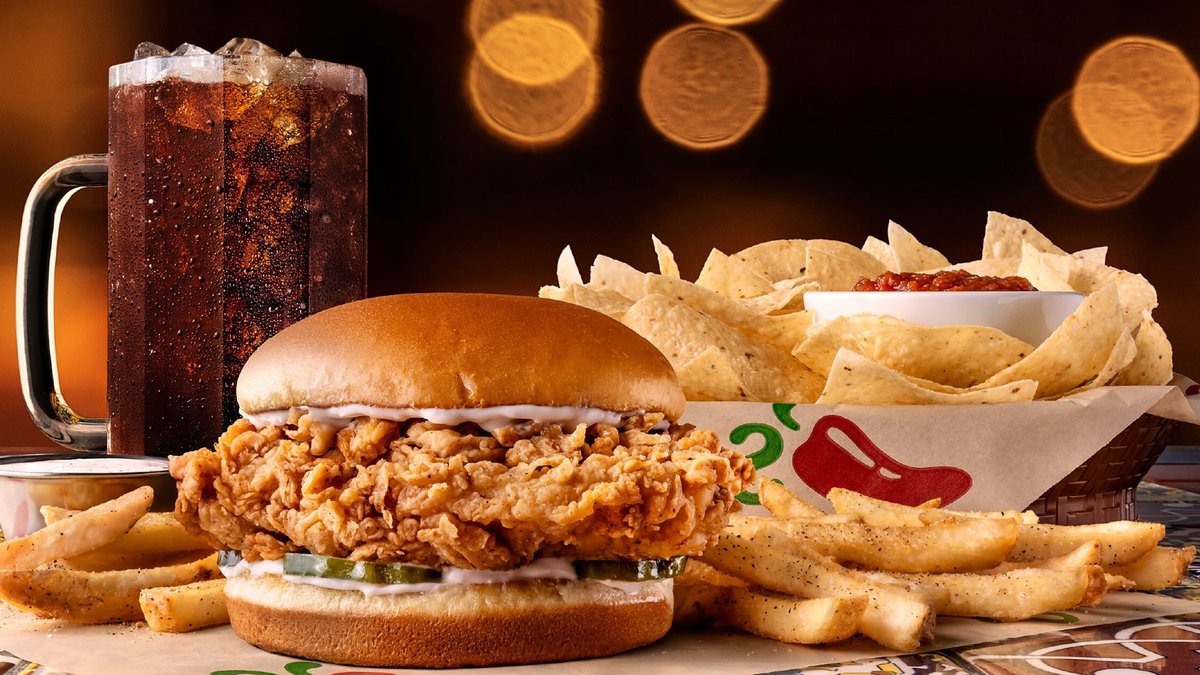
Brinker International, the parent company of Chili’s, has delivered one of the most significant stock rallies in the restaurant sector over the past three years, with shares rising 570%. This performance stands in stark contrast to the company’s decade-long track record, where total returns including dividends amounted to just 8% over ten years. The recent surge defies the company’s own history, as same-restaurant sales for Chili’s remained flat across the 2010s, rising only 1% over the entire decade.
A History of Flat Performance
Maggiano’s, Brinker’s Italian concept, failed to deliver the growth management or shareholders hoped for, contributing only about 10% of total revenue on average. With the rise of fast casual options creating competition at lower price points and the steady decline in traffic to shopping malls threatening the locations built near those centers, the outlook for Chili’s appeared bleak. The company faced secular trends moving against the casual dining space more broadly, leaving investors with little reason to expect a future much different from the past.
The shift in consumer behavior mirrored trends seen in the packaged food industry, where people moved toward niche and local options. Even the steady decline in traffic to shopping malls represented a potential problem, given that many Chili’s locations, as well as those of its rivals, had been built near those centers to capture shoppers on their way home. This reliance on foot traffic from the retail sector left the brand vulnerable as the broader economy shifted toward delivery and digital ordering models.
Related: Food Inflation Risks Rise as Crop Prices Soar
Turning the Tide
Chili’s rebounded after the pandemic through a series of strategic marketing and promotional decisions. The most significant move was the ‘3 for Me’ offer, launched just as complaints about pricing in quick-service restaurants were going viral. The chain pitched this deal as a clearly preferable alternative to fast food, offering a better dining experience with a product that was simply better, if not necessarily unique. The Big Smasher, which launched the promotion, essentially contains the same ingredients as the McDonald’s Big Mac, while the Big QP is a rebuilt Quarter Pounder.
Traffic soared in fiscal 2025 (ending June), with same-restaurant sales jumping 25% on a 16% increase in visits. More impressively, Chili’s added nearly five points of growth through a mix shift. Guests were lured in by the cheap headline price of the ‘3 for Me’, yet they wound up choosing higher-priced items overall. Brinker stock soared as a result, jumping more than fivefold in a matter of 15 months.
However, after a huge earnings report at the end of January 2025, skepticism returned, and shares stalled out. Returns over the next fifteen months were negative, as investors clearly believed that Chili’s had made a brilliant move to drive traffic, but that the business would once again plateau as it had in the past. Investors have now been convinced again, with Brinker stock doubling just since May, but unlike the initial jump in traffic in calendar 2024, this performance is not necessarily being driven by one-time offerings and missteps by other players in the industry.
Related: 2026 Dining Trends Hint at 2027 Outlook
The addition of the Big Crispy to the ‘3 for Me’ menu has helped, as Chili’s is now selling 55 chicken sandwiches per day per location. Marketing on social media has also been hugely helpful, with Chili’s seeing a viral trend in its “cheese pull”. The viral “Baby Back Ribs” jingle, first released in 1985, is back and driving traffic, while the menu has been tweaked and ingredients improved. This combination of nostalgic branding and fresh product launches has re-engaged a customer base that had grown accustomed to generic fast food offerings.
Operations and Execution
Hochman continues to emphasize small wins across restaurant operations, such as better scheduling and a streamlined “line check” before opening which has freed up manager time. Each quarter, the CEO calls out seemingly small wins, but the financial performance suggests that these small wins compound and provide a substantially better performance to guests than the chain offered a decade ago. By optimizing the front-of-house and back-of-house workflows, the chain has reduced waste and improved the speed of service, directly impacting the bottom line.
Despite the skepticism that initially surrounded the turnaround, the chain seems to be executing on a plan that aligns closely with that of its predecessor Wyman Roberts: better operations, menu changes, and similar promotions. The difference in results appears to stem from simply doing things better rather than a radical change in strategy. Given how many companies promise a similar path to growth and fail, it is not surprising that investors initially didn’t believe the turnaround story, but the recent performance suggests that the company has finally found a way to sustain it. The sustained success of the brand proves that consistent execution in an otherwise volatile market is the key to long-term shareholder value.


